October 1969
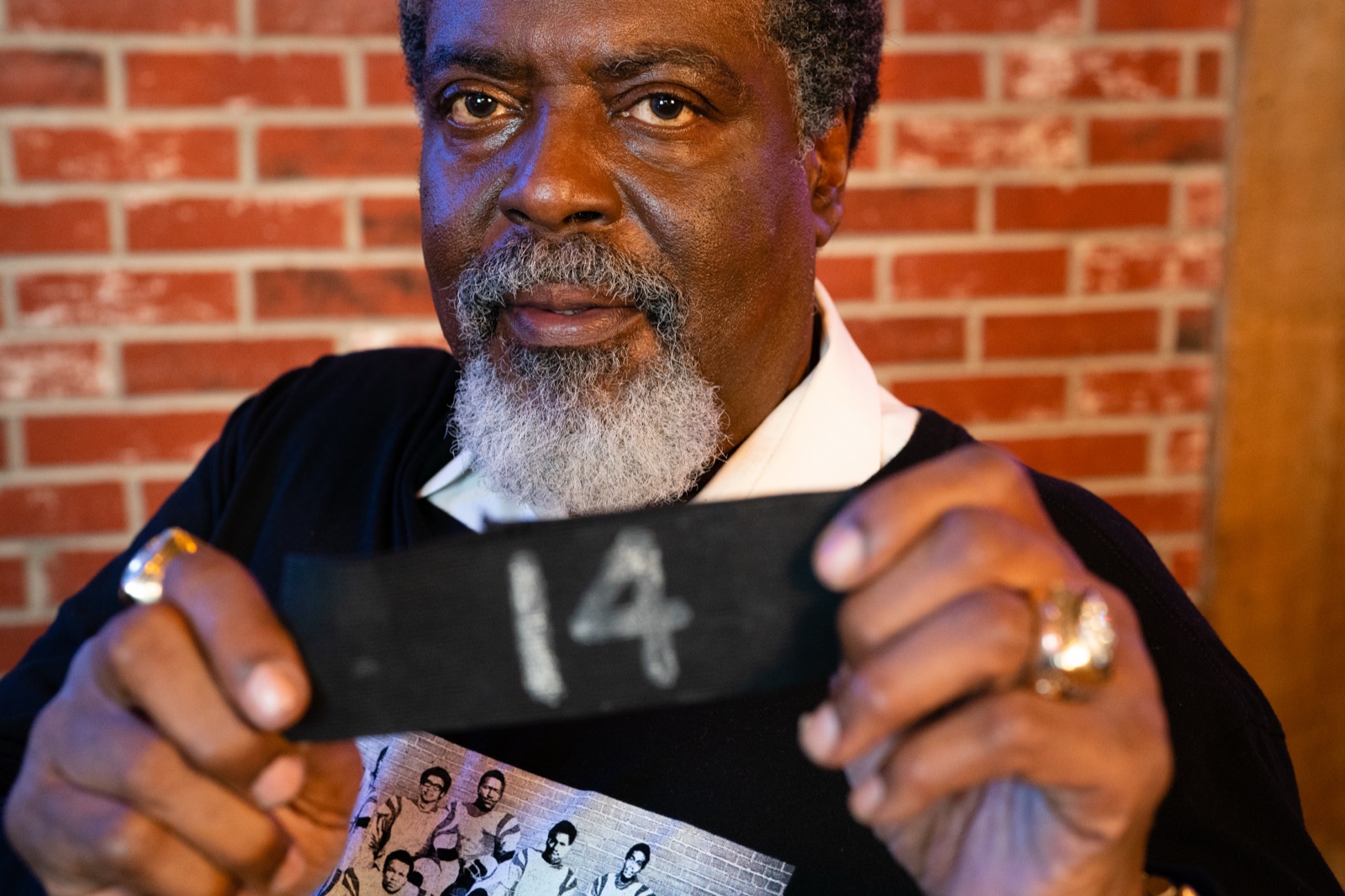
The Armbands
They had watched the world change. King and Kennedy, gone. Fists raised in Mexico City. A year before, at BYU, they had been taunted and hosed off the field. So when a protest was planned against a church that barred Black men from its priesthood, they wanted to stand — quietly, with a black armband. They didn't walk out. They didn't boycott. They simply went, together, to ask their coach.
A nationwide protest was building against the Church of Jesus Christ of Latter-day Saints, whose policy then barred Black men from the priesthood. BYU was coming to Laramie. The players wanted to wear black armbands during the game — a silent stand.
These were not naive men. They had lived through 1968 — the assassinations of King and Kennedy, the riots, John Carlos and Tommie Smith on the Olympic podium. A year earlier at BYU, they had endured cheap shots and slurs, and watched the sprinklers turn on as they walked off the field.
But they did not want to jeopardize the season. So they did the careful thing, the respectful thing: before taking any action, they went together to ask their coach. They expected a conversation.
They had seen Smith and Carlos raise their fists in Mexico City. They had been hosed off the field at BYU a year before. They knew exactly what an armband meant.